Who Gets to Shape Public Systems?

Disability equity is not only a policy conversation. It is about community, access, and how systems respond to people.

As a member of the Los Angeles County Commission on Disabilities’ Ad Hoc Strategic Planning Committee, I supported efforts to inform the County’s first Disability Services Strategic Plan.

On August 29, 2025, the County held its final public focus group, one of seven sessions across all five Supervisorial Districts. Each conversation brought together providers, community organizations, and residents. The strongest insights came from people navigating systems directly.

More than 900 community members contributed through surveys and focus groups, helping shape priorities for disability services across Los Angeles County.

Change is strongest when communities are invited to participate in shaping the systems intended to serve them.

I appreciate everyone who contributed perspectives, ideas, and time to this work.

Who Is Missing From the Table?

On August 24, 2025, in West Hollywood, I had the honor of moderating Women & The Way Forward, a conversation focused on civic participation, leadership, and advancing equity.

The discussion brought together leaders working across voting rights, civic engagement, storytelling, and women’s leadership, including Kat Calvin, Founder of Spread The Vote + Project ID; Emiliana Guereca Zeidenfeld, Founder and President of the Women’s March Foundation; Rati Gupta, actor, storyteller, and Content Director for 5 Calls Civic Action; and Deborah Lee Smith, Emmy nominated producer, actor, and founder of More Than You See.

While perspectives varied, one message remained consistent: participation matters.

Each panelist left the audience with a challenge. Ensure people get to the polls. Make politics personal. Create space for conversations about inequality. Speak up when voices are missing from the table.

The conversation also explored something deeper: Who has access to decisions? Who feels represented? And who continues to navigate barriers to participation, leadership, or belonging?

The way forward requires more than awareness. It requires action, dialogue, and willingness to ask who is still excluded from decisions shaping our communities.

As disability rights pioneer Judith Heumann often reminded us, equity is not only about access. It is also about belonging.

Progress becomes possible when more voices are welcomed into conversations influencing our communities, policies, and collective future.

Inclusion Is More Than Visibility


As Disability Pride Month came to a close on July 25, 2025, Los Angeles marked the 35th anniversary of the Americans with Disabilities Act (ADA), a reminder that disability rights remain an ongoing civil rights movement.

The day reflected what becomes possible when public leaders, disability advocates, and communities work together toward inclusion.

It was also a meaningful reunion with the disability community and a full circle moment I will always cherish: being introduced to Mayor Karen Bass by Stephen David Simon, sharing my “D1$@B1LtY IS NOT A DIRTY WORD”* pin, and thanking her for leading with inclusion.

Mayor Karen Bass stood alongside Councilmember Imelda Padilla; Colleen Wrenn, Chief Executive Officer of the Los Angeles Department on Disability; Reynold Hoover, Chief Executive Officer of LA28; Paul Krekorian, Executive Director of the Office of Major Events; and other civic and community leaders, reaffirming Los Angeles’ commitment to a truly inclusive Games for All.

The City continues advancing accessibility through its Host City Accessibility Commitment, the Games Accessibility Plan, and the appointment of Natalie Sparrow, Chief Accessibility Officer for the City of Los Angeles, whose work helps embed access and equity into planning for the LA28 Olympic and Paralympic Games.

Inclusion is more than representation. It is reflected in policies, practices, and decisions shaping daily life.

As Los Angeles prepares for future milestones, the opportunity remains to ensure disability is included not as an afterthought, but as part of the blueprint.

Progress becomes more sustainable when accessibility is designed from the beginning, with disabled communities helping shape what comes next.

Safety, Dignity, and Shared Responsibility

On June 18, 2025, I shared remarks during an Autistic Pride Day webinar hosted by the Department of Aging and Disabilities and L.A. Found.

The discussion explored wandering prevention and supports for autistic individuals and people with intellectual and developmental disabilities, highlighting how health systems, policy, education, and communities intersect.

Every person deserves safety, inclusion, and dignity without stigma. Families should never feel isolated navigating systems intended to support them.

Autistic Pride Day reminds us that neurodivergent people bring strengths, perspectives, and values that deserve recognition and respect.

Building safer communities requires shared responsibility and continued collaboration across systems.

What It Means to Feel Seen in Healthcare

“Have you ever had a healthcare experience where you felt truly seen and heard?”

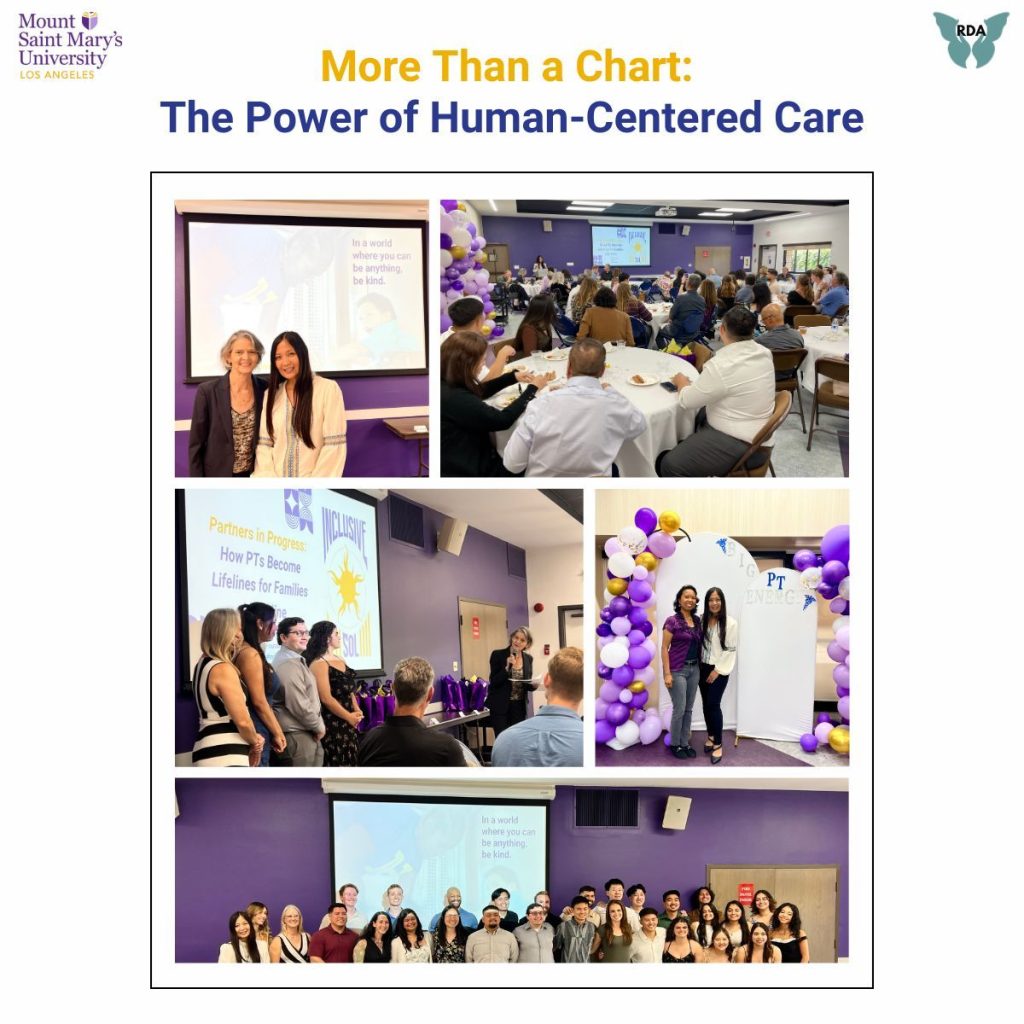
That’s the question I asked as I opened my keynote at Mount Saint Mary’s University’s Doctor of Physical Therapy (DPT) Capstone Ceremony on May 16, 2025, inviting soon-to-be physical therapists to reflect on what it means to provide inclusive, compassionate care.

The conversation explored how healing extends beyond treatment plans. It requires listening, advocacy, and the willingness to see the whole person, not simply a diagnosis.

Drawing on experiences navigating systems as a parent and advocate, I reflected on the role healthcare providers play in supporting not only individuals, but families navigating uncertainty, complexity, and care.

Inclusive care begins with connection. When people feel seen and heard, trust grows. And trust often shapes whether systems heal or create additional barriers.

Thankful to Dr. Deborah Lowe, Professor and Department Chair, for the invitation to contribute to this milestone for future healthcare providers and for creating space to center compassion alongside clinical expertise.

Behind Every Policy Decision Is a Family

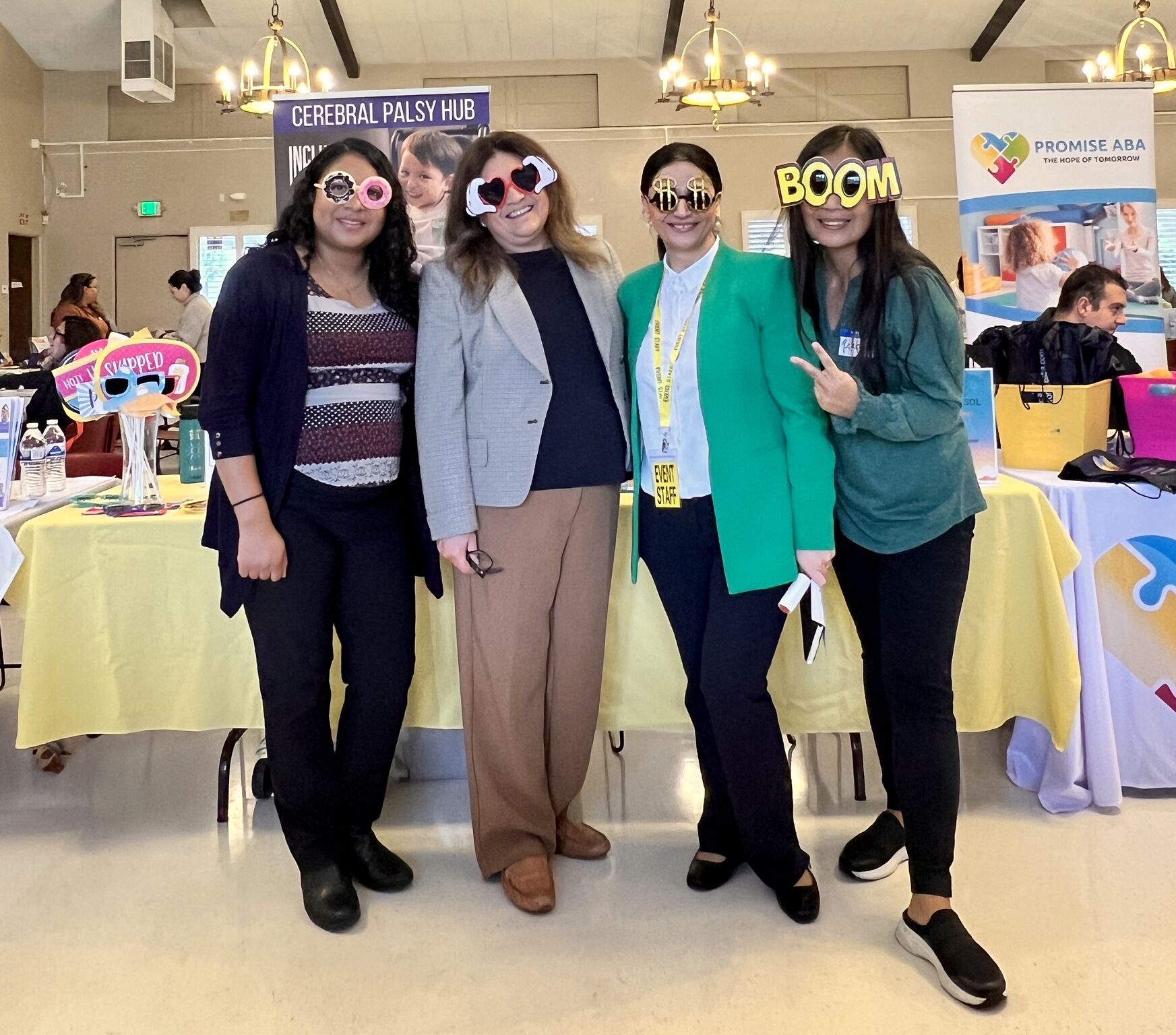
On May 6, 2025, I represented Inclusive Sol at the Early Start to Early Childhood Transition Resource Fair hosted by Frank D. Lanterman Regional Center.

The event served as a reminder that while services matter, community often sustains families navigating transitions. Across California, Regional Centers play an important role in connecting individuals with developmental disabilities and their families to supports, services, and resources throughout different stages of life.

At the same time, national conversations around Medicaid funding highlighted how policy decisions directly affect children, caregivers, providers, and communities.

Local gatherings make policy personal.

Behind every funding decision are families seeking support, connection, and opportunities to thrive.

These moments reinforce why advocacy matters and why systems change begins with people. They also serve as a reminder that strong systems require continued investment in the services, partnerships, and communities families rely on.


What Becomes Possible When Community Leads

On April 29, 2025, I attended RENEW 2025: LA Cultural Forum, focused on disability, culture, accessibility, and community futures.

The day felt like both a reunion and a reminder of what’s possible when disability communities lead conversations shaping policy, culture, and public life. These gatherings create momentum for change that carries into future actions.

One message that stayed with me came from disability advocate and artist Coco Atama, also known as Blind Thrasher:

“When you are at your lowest, look at what broke you down. Weather the storm. You are not less than.”

The reflection stayed with me because it spoke to resilience, perspective, and the power of communities to reframe narratives.

The forum discussed accessibility and the 2028 Olympic and Paralympic Games. Inclusion demands investment, accountability, and community voice, not just visibility.

When Visibility Enters the Classroom

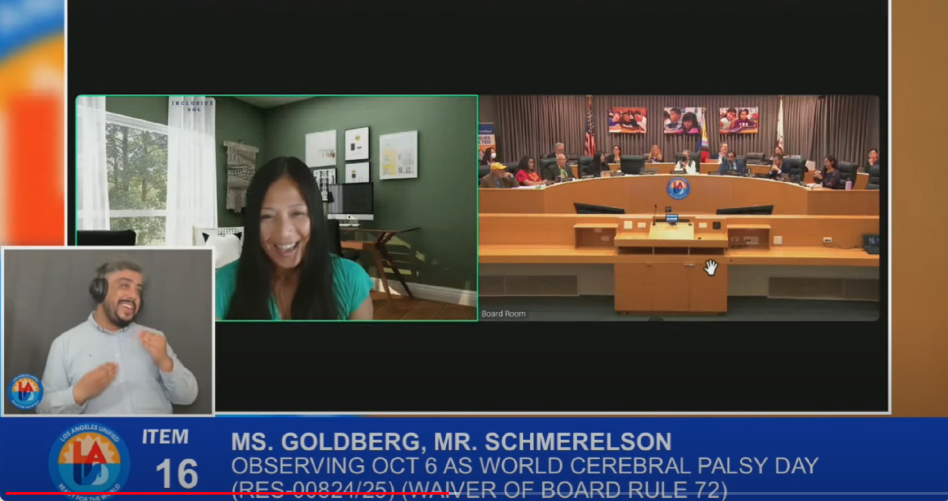
On September 10, 2024, the Los Angeles Unified School District Board of Education unanimously passed a resolution recognizing World Cerebral Palsy Day in October, a milestone shaped through collaboration between Board Member Scott Schmerelson’s office and Inclusive Sol, the nonprofit I founded.

Navigating disability systems as a parent revealed gaps in awareness and inclusion. This resolution shows what advocacy and partnership can achieve.

The resolution promotes awareness, educator training, inclusion, disability visibility, and opportunities for LAUSD students with disabilities.

It shows systems evolve when communities ask questions, build relationships, and advocate for change.

This milestone belongs to families, educators, disability advocates, and allies working toward schools where inclusion becomes part of culture, not simply compliance.

Deep gratitude to everyone who contributed to making this possible.

Watch the Board’s passage of the resolution: (3:18:22–3:39:50)

When Access Changes What’s Possible

YouTube player

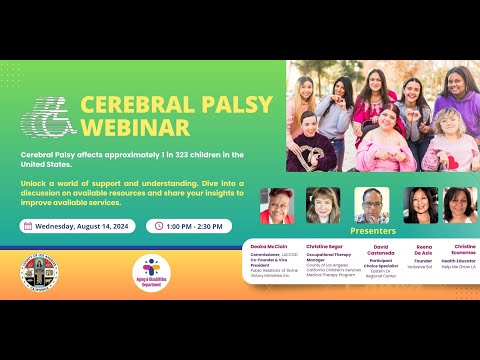
On August 14, 2024, the Los Angeles County Commission on Disabilities, in collaboration with the Aging & Disabilities Department, hosted its inaugural webinar on cerebral palsy, which became the department’s most attended webinar to date.

The event went beyond awareness, highlighting stronger recognition of cerebral palsy and the need for accessible information and support.

Earlier that year, the Los Angeles County Board of Supervisors unanimously passed the County’s first motion dedicated to cerebral palsy, initiated through Inclusive Sol. The webinar became an early step in translating policy into action.

Since 2022, Inclusive Sol and County partners have collaborated to support families navigating cerebral palsy. These efforts reinforce a larger goal: building stronger systems that make information easier to access and help families feel less isolated.

For Los Angeles County, where hundreds of babies are born with cerebral palsy annually, sustained awareness and coordinated support remain important.

When Communities Influence Policy

On March 6, 2024, the Los Angeles County Board of Supervisors passed the first motion dedicated to cerebral palsy in County history, introduced by Supervisor Holly J. Mitchell and advanced in partnership with Inclusive Sol.

The motion aimed to strengthen cross-department coordination, increase access to resources, and elevate awareness of cerebral palsy across County systems. The effort reflected a broader opportunity: ensuring disability is more visible within public planning, services, and community conversations.

Inclusive Sol was created to expand access to information, strengthen community connection, and help improve how systems respond over time. What began through resource sharing evolved into efforts advancing awareness, partnerships, and systems level change.

A meaningful moment was seeing all five Supervisors wear green ribbons during Cerebral Palsy Awareness Month, signaling visibility for a community often overlooked.

This milestone reinforced something I continue to see: Systems evolve when communities, public leaders, and organizations work together to turn awareness into action.